 Contact Us

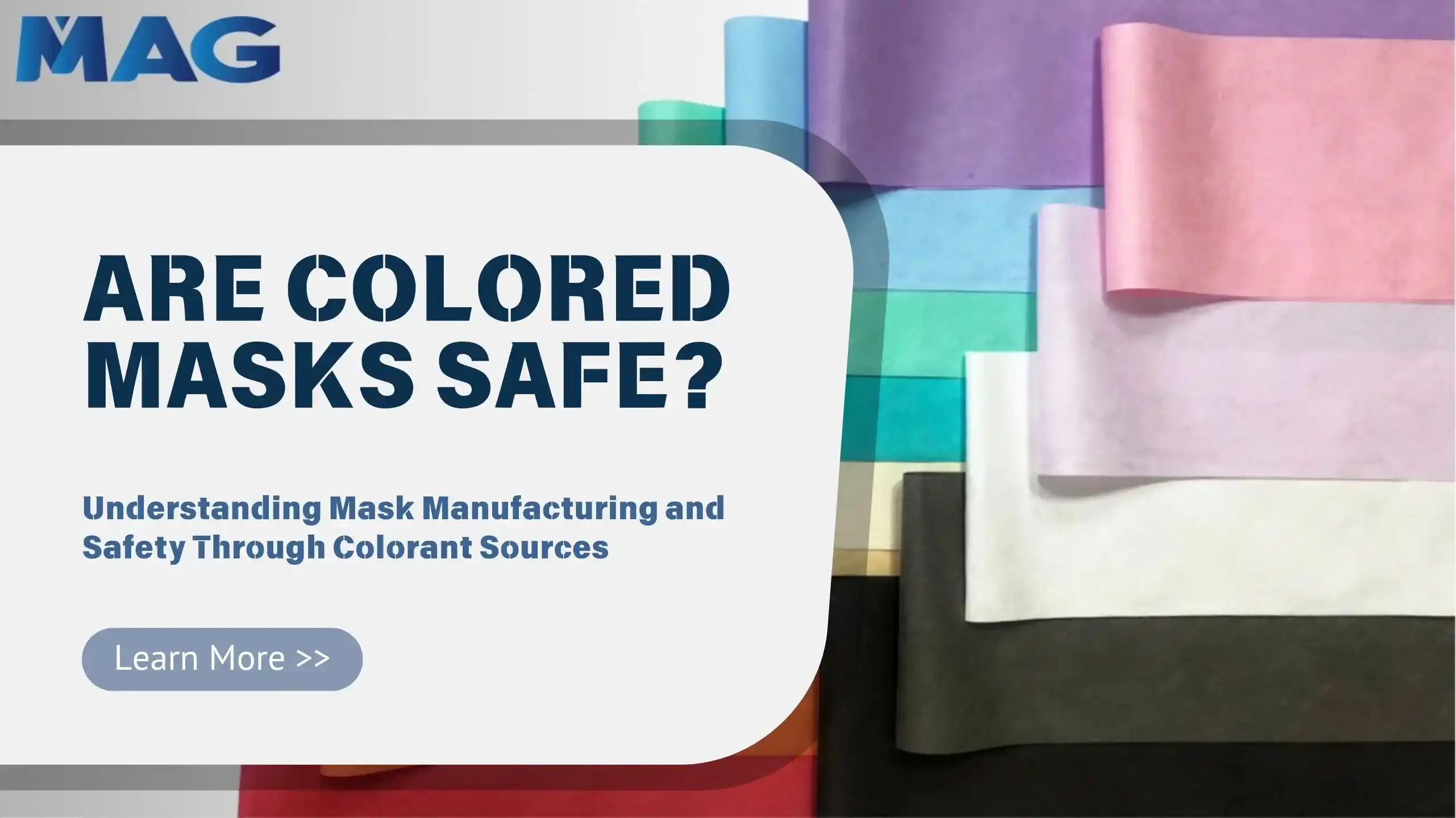
Colored masks have become common protective products in daily life. Whether for medical use, corporate identity, or personal fashion, a wide variety of colors and designs can be seen. However, consumers have increasingly raised concerns: where do these colors come from, do they contain harmful substances, and could they affect health safety?
In reality, the safety of colored masks does not depend on the “color itself,” but rather on the source of colorants, manufacturing processes, and quality control standards. As colored masks become more widespread, attention to material and dye safety has also increased, sparking discussions about potential risks.
This article provides a material- and process-based analysis of colored mask safety.
1-Why Are Colored Masks So Popular?
From Functional Needs to Aesthetic and Styling Needs
In recent years, masks have evolved from purely medical protective equipment into part of everyday fashion and personal style. As prolonged mask-wearing becomes common, consumers are increasingly concerned about appearance, color selection, overall styling, and comfort. Masks have thus shifted from single-function protective items to everyday wearable accessories.
This change has led to more diverse product designs, no longer limited to basic styles, but including structured forms such as the Korean KF94 fish-shaped mask. In addition, color variations and graphic designs—such as gradients and continuous patterns—have emerged to meet consumer aesthetic preferences. Overall, the mask industry is gradually evolving toward a balance between functionality and aesthetics.。
Increasing Demand for Brand Customization
For businesses, masks have become a new branding tool. Through customized colors, logo printing, and exclusive designs, companies can strengthen brand recognition in daily-use scenarios.
In exhibitions, events, or employee usage, unified mask colors enhance corporate image consistency while also serving both practical and marketing purposes, making masks a low-cost but high-visibility branding tool.
Integration of Daily Fashion and Medical Protection
Modern consumers expect products to deliver multiple values rather than a single function. Colored masks combine protective performance with aesthetic design, making them both practical and visually appealing.
As a result, masks are no longer just medical consumables but have become part of daily outfits and even overall styling elements, further driving market growth.
2-Where Do Mask Colors Come From? How Are They Made?
The color of masks mainly comes from two technical approaches: dye coloring and PP masterbatch coloring. These methods differ not only in coloring process but also in stability, uniformity, and safety performance.
Traditional Dyeing Method
Traditional mask dyeing is based on textile post-processing techniques. Color is applied after the nonwoven fabric is formed or during the finishing stage, allowing pigments to adhere to fiber surfaces. This method offers flexible color adjustment and lower initial cost but has limitations.
Color uniformity can be affected by temperature, dye penetration, and fabric structure, making consistency difficult to fully control. In addition, improper process management may lead to color variation or reduced color fastness.
PP Masterbatch Coloring Method
PP masterbatch involves mixing pigments with polypropylene resin at the raw material stage to form highly concentrated color pellets, which are then processed during melt-blown or spunbond production.
Since pigments are evenly dispersed before fiber formation, the final product has higher color stability, reduced color variation, and is better suited for standardized mass production.
Process Comparison(Nonwoven Production vs. Post-Dyeing)
| Item | Traditional Dye | PP Masterbatch |
| Addition Stage | Post-processing | Raw material blending |
| Color Uniformity | Highly process-dependent | Stable and consistent |
| Process Control | Adjusted in later stages | Controlled at production stage |
| Applicability | Textile dyeing | Industrial nonwoven production |
Overall, PP masterbatch is more suitable for high-consistency, standardized applications such as medical and protective materials.
3-What Are Azo Dyes? Why Are They a Concern?
Sources and Applications of Azo Dyes
Azo dyes are widely used organic dyes found in textiles, leather, plastics, and industrial products. They are valued for their vivid colors, wide range of options, and relatively low cost, and have long been used in global industrial dyeing.However, their safety must be evaluated based on specific chemical structures and regulatory classifications.
Why Some Azo Dyes Are Restricted
Some azo dyes may decompose under specific conditions (such as reduction reactions or high temperatures), producing aromatic amines, some of which are considered harmful to health. Therefore, they are restricted under international regulations.
These restrictions apply to specific high-risk chemical structures rather than azo dyes as a whole.
International Regulations and Textile Standards(EU / REACH)
The EU REACH regulation imposes strict limits on certain azo dyes and requires products to pass testing standards before entering the market.
The purpose of these regulations is to establish consistent safety thresholds and ensure that materials do not release harmful substances during use. Compliance itself indicates that risk control standards have been met, rather than suggesting dyes are inherently unsafe.
4-What Is PP Masterbatch and Why Is It Used in Mask Materials?
Composition and Manufacturing of PP Masterbatch
PP masterbatch is a high-concentration pigment pre-mix composed of pigments, polypropylene resin, and dispersing agents. Through high-temperature extrusion and uniform dispersion technology, pigments are evenly distributed within the carrier resin.
This ensures consistent pigment dispersion during later processing and prevents color spots or uneven coloring.
Application in PP Nonwoven Fabrics
In meltblown fabric or spunbond nonwoven production, PP masterbatch is fed into the production line together with raw materials. Coloring occurs during fiber formation under high-temperature processing.
As a result, color becomes part of the fiber structure rather than a surface coating, making the product more stable and less prone to fading.
Differences from Traditional Dyeing
Compared with post-dyeing, PP masterbatch is more suitable for industrial standardized production. Its main advantages are higher stability, lower batch variation, and improved consistency in quality control.
5-Can Colored Masks Cause Cancer?
Source of Cancer Concerns(Misinterpretation of Azo Dyes)
Concerns about colored masks mainly stem from misunderstandings about azo dyes. In the past, Taiwan’s Consumer Protection Commission found banned azo colorants in some online products, which raised public concern.
However, these cases involved individual non-compliant products and do not represent all colored masks or dyes. As long as products meet testing standards and come from reliable sources, they are considered safe.
Therefore, the claim that “colored masks = cancer risk” is overly simplified and does not align with material science or regulatory standards.
Differences Between Compliant Colorants and Illegal Additives
Legal products must comply with multiple international safety standards, including heavy metal limits, azo amine testing, and chemical migration tests.
The real risk usually comes from untested or illegally added low-quality materials rather than the color itself.
Risk Control in Standard Manufacturing Processes
Under complete supply chain management and standardized testing systems, colorant use is strictly regulated. Therefore, when compliant, colored masks have no inherent safety difference compared to white masks.
6-How to Determine Whether a Colored Mask Is Safe
Whether third-party testing reports are available
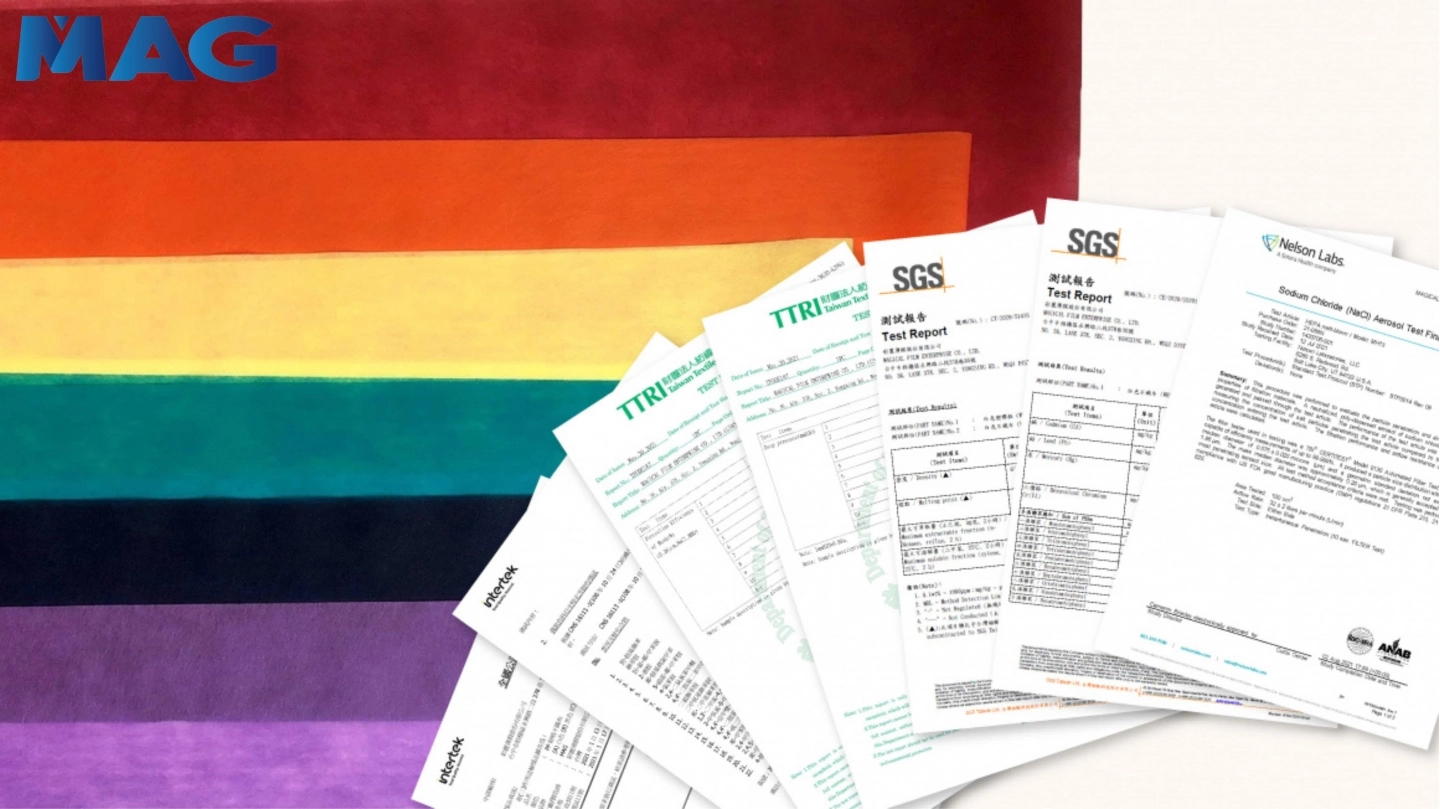
Consumers and procurement teams can verify safety through third-party testing reports such as SGS, including heavy metals, azo amines, and volatile substance testing.
Compliance with international safety standards
Standards such as EU REACH indicate that products meet basic safety thresholds and are eligible for market distribution.
Traceability of materials
Traceability ensures that all stages from raw materials to finished products are documented, improving quality control and risk management.
Quality management systems
Stable manufacturing processes and quality systems (such as ISO standards) reduce batch variation and improve consistency and reliability.
Conclusion
The safety of colored masks does not depend on the color itself, but rather on the source of the colorants, manufacturing process control, and quality inspection standards. By selecting materials that comply with international regulations and implementing a comprehensive quality management system, colored masks can achieve both attractive designs and reliable safety performance.
MAG uses non-toxic PP color masterbatch that is free from harmful chemicals and heavy metals. All products undergo professional testing and verification by recognized laboratories, including SGS, TTRI, and Nelson Labs. With extensive experience in color development, we have successfully created hundreds of color options for nonwoven fabrics and meltblown fabrics, helping our customers achieve richer and more diverse color presentations for their products.
We welcome companies worldwide to contact us for further cooperation opportunities.
